

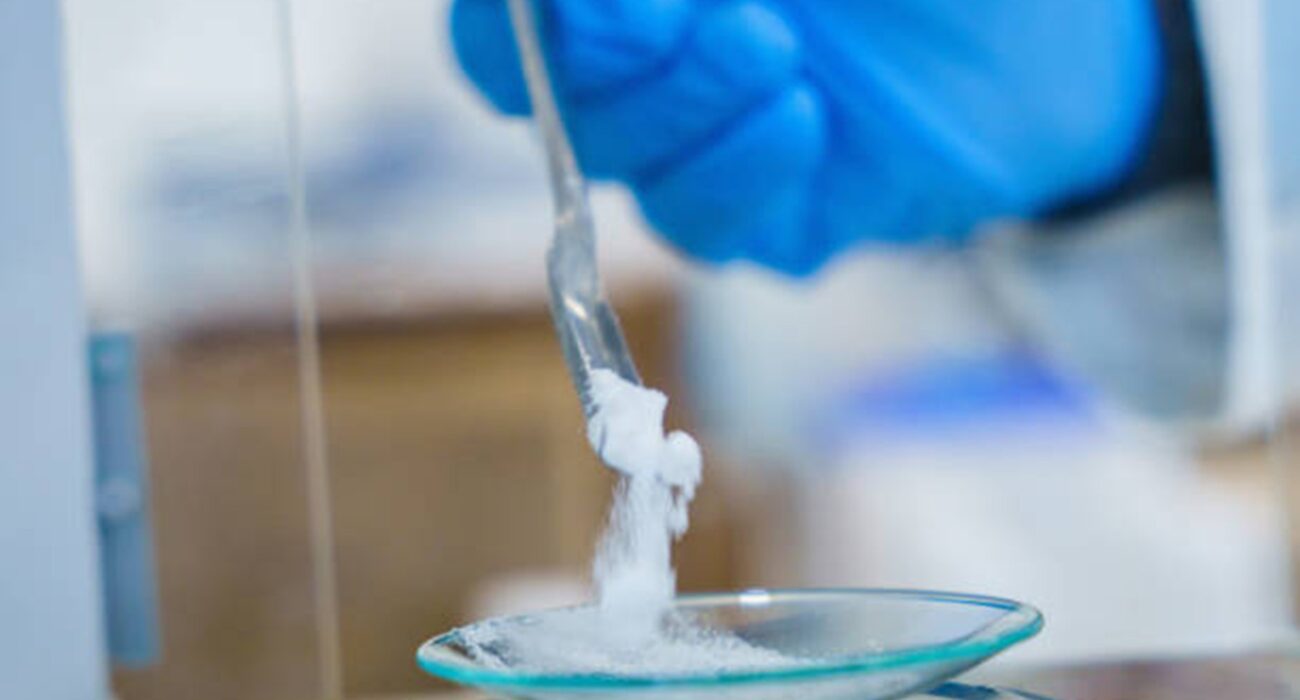
Pure semaglutide may look straightforward on a product label, but peptide powder testing depends on details that are easy to overlook. Purity percentage, identity confirmation, moisture content, lot documentation, and testing methods all affect how confidently a sample can be evaluated for research use. Even small differences in handling, storage, or documentation can change how buyers interpret quality.
This article explores the evaluation of pure semaglutide in peptide powder testing, focusing on what lab buyers should review before trusting a sample’s reported purity and consistency.
Key Takeaways
- A complete chromatogram should support a high purity percentage.
- Molecular identity and chromatographic purity require separate analytical tests.
- Net peptide content may differ from total powder weight.
- Endotoxin results are important for sensitive biological research.
- Visual appearance cannot establish chemical identity or purity.
- Moisture and residual solvents can influence powder stability.
How Pure Semaglutide Is Evaluated in Peptide Powder Testing
1. High-Performance Liquid Chromatography Purity
HPLC separates detectable compounds in a peptide sample and compares the main semaglutide peak with smaller secondary peaks. This method helps laboratories assess peptide-related purity under controlled analytical conditions.
- The Target: High-purity research batches commonly show an HPLC main-peak result above 98%.
- What It Means: Semaglutide is the dominant peptide-related component detected during analysis. Smaller peaks may indicate truncated sequences, oxidation, synthesis byproducts, or degradation products. The percentage refers to the chromatographic peak area rather than the total powder weight. When evaluating pure semaglutide, researchers should review the complete chromatogram, method details, and matching lot number.
2. Net Peptide Content
Net peptide content measures the proportion of total powder mass attributed to the target peptide. It helps researchers determine the actual amount of semaglutide in a lyophilized sample.
- The Target: Some research peptide preparations report net peptide content between approximately 70% and 85% of total powder mass.
- What It Means: The remaining weight may include counterions, salts, or formulation-related components. Researchers reviewing semaglutide for sale should determine whether the stated amount represents the verified peptide content, the gross powder weight, or the theoretical fill quantity. This distinction supports an accurate assessment of pure semaglutide without confusing peptide quantity with chromatographic purity.
3. Molecular Identity by Mass Spectrometry
Mass spectrometry measures mass-to-charge signals and compares them with the expected molecular profile of semaglutide. It helps determine whether the detected compound matches the intended peptide.
- The Target: The measured result should align with semaglutide’s expected molecular profile and average molecular weight of approximately 4,114 g/mol.
- What It Means: A matching result supports the presence of the intended molecule and its expected chemical modifications. This evidence strengthens a pure semaglutide claim by confirming identity. The same standard should apply when assessing a retatrutide vendor, since molecular verification is essential for confirming which peptide is actually present.
4. Endotoxin Testing
Endotoxin testing detects bacterial components that may remain in peptide powder even when viable bacteria are absent. These contaminants can influence cell behavior, inflammatory markers, immune responses, and other sensitive experimental outcomes.
- The Target: Some cell-based assays may require endotoxin levels below 1 EU/mg, although suitable limits depend on the research model and laboratory protocol.
- What It Means: A low result reduces the likelihood that bacterial residues will interfere with experimental findings. When reviewing pure semaglutide, researchers should treat endotoxin data as a separate quality measure. Similar batch-specific testing may be important when selecting the KPV peptide for cell-based or biological studies.
5. Visual Appearance and Physical Condition
Visual inspection provides a preliminary means of identifying obvious packaging, storage, or handling concerns before detailed laboratory analysis. It can reveal changes that may justify further investigation.
- The Target: Semaglutide powder should generally appear white to off-white, with intact packaging and no visible foreign particles, severe discoloration, or container damage.
- What It Means: Unexpected color changes, damaged seals, or visible contamination may indicate unsuitable handling or packaging failure. However, a clean appearance does not confirm the presence of pure semaglutide, as molecular identity and chemical composition cannot be determined visually. Physical inspection should remain an initial screening step rather than a final quality judgment.
6. Residual Solvent and Moisture Testing
Residual solvent and moisture testing measures trace substances that may remain after peptide purification, drying, packaging, or storage. These factors can affect powder composition, chemical stability, and consistency during laboratory preparation.
- The Target: Results should remain within the product specification and the analytical laboratory’s established acceptance limits.
- What It Means: Elevated moisture may increase the possibility of instability, while excessive solvent residues may suggest incomplete purification or drying. These measurements provide additional insight into manufacturing quality, storage performance, and the overall composition of pure semaglutide supplied by a responsible peptide company.
Conclusion
Evaluating pure semaglutide in peptide powder testing requires more than checking a purity percentage on a label. A complete review should include HPLC chromatograms, net peptide content, mass spectrometry results, endotoxin data, moisture and residual solvent testing, visual condition, and lot-specific documentation. Each test explains a different part of the sample’s quality, identity, and suitability for research use.
For lab buyers, the strongest confidence comes from matching the reported data to the exact supplied lot. Clear records, complete COAs, and transparent testing methods help reduce uncertainty and support more reliable research planning. When purity, identity, handling, and documentation all align, pure semaglutide can be evaluated with greater accuracy and fewer avoidable questions.
Explore verified pure semaglutide research products at KnightCore Labs today.
FAQs
How can researchers verify that a COA belongs to the correct batch?
Compare the lot number, product name, testing date, sample description, and report number with the product label and purchase records. Any mismatch should be clarified with the supplier before laboratory use.
Can two laboratories report different purity results for the same sample?
Yes. Results may vary due to differences in instruments, column types, sample preparation, detection wavelengths, mobile phases, or peak integration methods. Direct comparisons are most useful when the testing conditions are similar.
Does lyophilized powder remain stable indefinitely?
No. Stability depends on storage temperature, moisture exposure, packaging integrity, light, and handling frequency. Researchers should follow product-specific storage guidance and maintain records of opening and storage dates.
What does a missing chromatogram indicate?
A missing chromatogram does not automatically prove poor quality, but it limits the ability to review peak separation, secondary peaks, and analytical conditions. Researchers may request the full laboratory report for greater transparency.
Is third-party testing always more reliable than internal testing?
Not necessarily. Reliability depends on the laboratory’s methods, qualifications, sample handling, and reporting practices. Both third-party and internal testing should provide clear, traceable, and batch-specific results.
Why should testing dates be reviewed?
Testing dates help researchers determine how recently the sample was analyzed. Older results may not fully reflect material that has experienced extended storage, temperature changes, or repeated handling.